Parkinson’s comes under the “dementia umbrella”. It’s a degenerative disease of the nervous system that causes a loss of motor skills and intentional movement. Functions such as speaking, writing, swallowing, walking and sleeping become difficult to perform. These challenges plus low mood leave many Parkinson’s patients with depression.
A friend reached out to me recently for advice. Just like dementia, PD is a neurological condition which is conventionally only treated with diagnosis and a drug approach. So I thought I’d share what the research tells us about possible natural treatments for PD, in case it helps anyone else.
Inflammation, while helpful in many situations, is one of the biggest systemic health concerns when it becomes chronic. When it comes to neurological health, inflammation can lead to cell death, specifically of the neurons that produce dopamine and norepinephrine. Inflammation in the gut is thought to cause the increased folding and mutation of alpha-synuclein, the protein that causes the Lewy bodies associated with Parkinson’s disease and Lewy Body Dementia. Vitamin C, E and Curcumin are powerful antioxidants and help to reduce inflammation and protect the body’s cells. Ozone therapy and PEMF is also effective in reducing inflammation and inflammatory factors induced by chronic oxidative stress (more on each of these below).
Another factor in PD is excessive exposure to environmental toxins like pesticides, heavy metals, or chemicals. There is a strong research correlation to environmental exposures and its link to development and progression of Parkinson’s disease (more on toxins below).
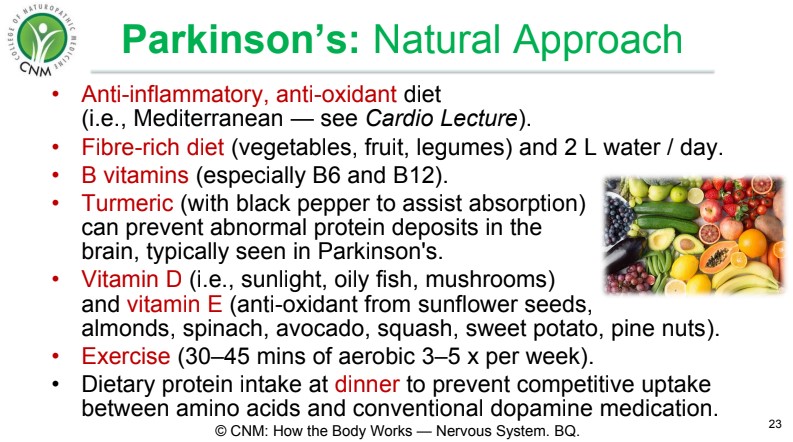
How healthy your lifestyle and eating habits are (and have been in the past) is another strong contributor. When I studied at the College of Naturopathic Medicine, here is the dietary approach we learned for PD.

Parkinson’s is a lifestyle and environmental factor disease. Inflammation and the build-up of toxins and heavy metals in the body, especially the brain and nervous system, is considered the number one cause. One can experience promising results by incorporating a few mindful lifestyle habits into our daily lives. A regular sleep schedule is key for restoring mitochondrial health and easing symptoms of depression, stress, and fatigue. Numerous activities, medicinals and treatments are outlined below. I also combine tips from an excellent article by Troy Sawyer.
To successfully treat the symptoms of Parkinson’s, and even reverse this disorder, there are 4 things you must do…
a) Increase your natural dopamine levels
b) Detox your body of all heavy metals, pesticides and chemicals
c) Reduce all inflammation in the body, especially the brain
d) Repair the neuro pathways – Substantia Nigra cell death arises from deficits in nerve growth factor and free radical damage. Some natural therapeutics may decrease programmed cell death (e.g., melatonin).
Below are Natural Treatments for PD

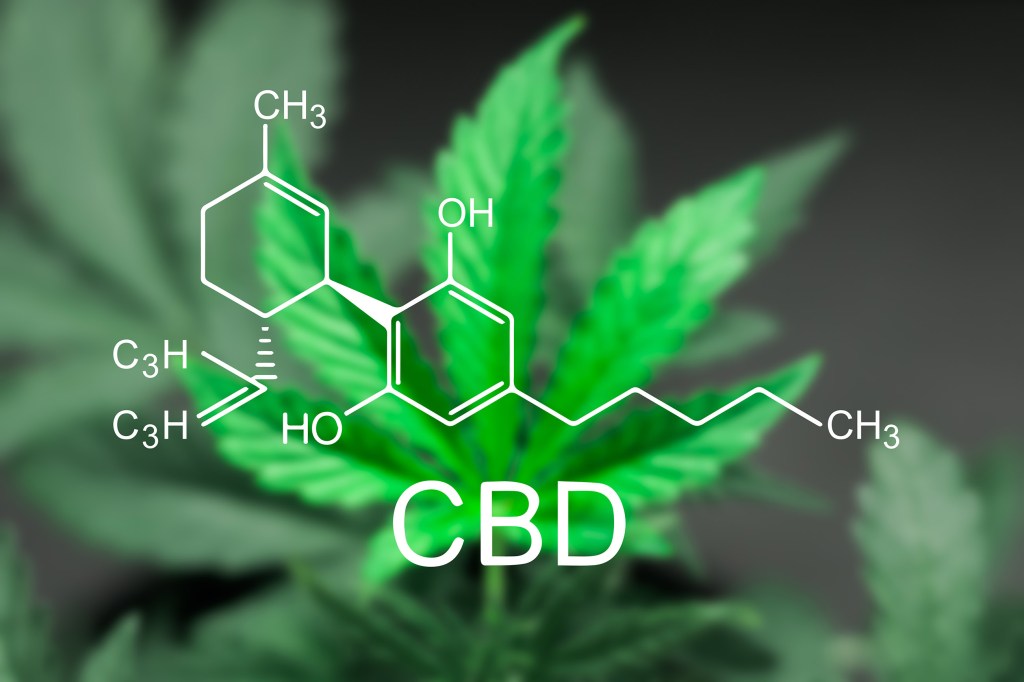
1. Cannabis (medical marijuana) has given many people remarkable relief. Doctors gave it to patients back in the 19th century. Although outlawed for a period, it is now making a comeback. Check out online videos of Ian Frizell and Taylor French.
- The Parkinson’s Foundation Consensus Statement on the Use of Medical Cannabis for Parkinson’s Disease is designed to help guide the PD community in making informed decisions about using cannabis for Parkinson’s. The statement is based on the input from 46 experts who attended the Foundation’s first-ever medical marijuana convention in 2020 (Read it now).
- The cannabinoids in marijuana contain powerful antioxidants and anti-inflammatory properties, along with some stunning neuroprotective qualities. The body contains thousands of cannabinoid receptors in the brain. So it’s a medicinal we were divinely created to need and use! Not only do cannabinoids protect the nervous system from damage, they actually revitalize damaged and aging brain cells!
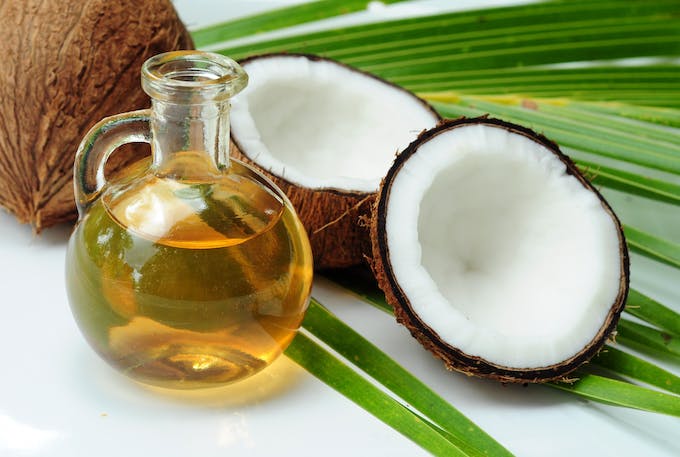
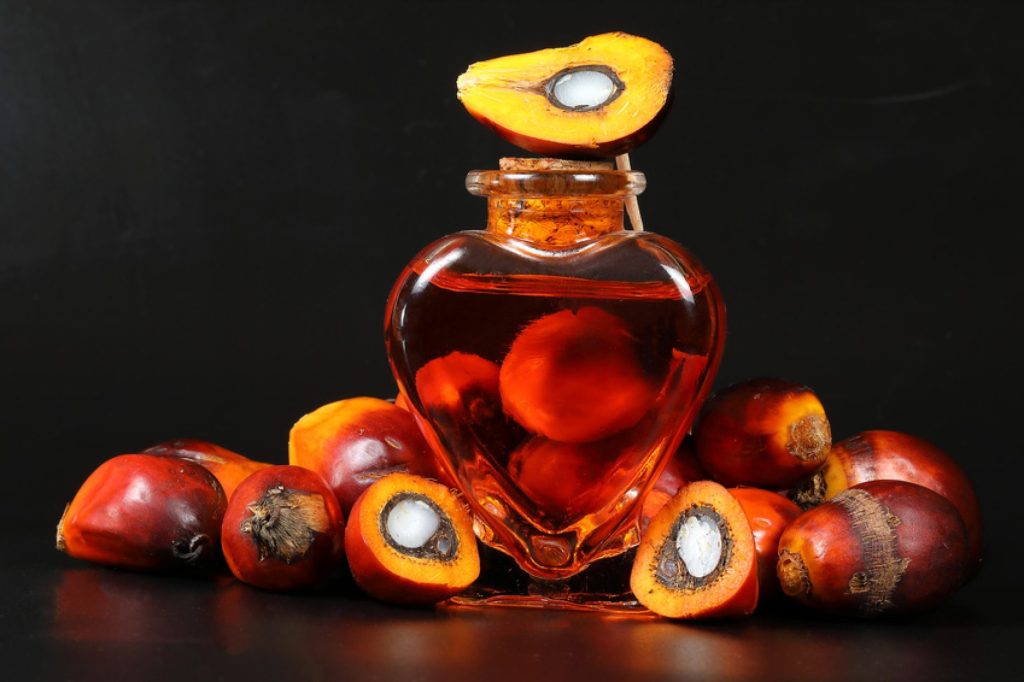
2. Coconut Oil and Red Palm Oil contain ketones (healthy fats called medium chain fatty acids or MCTs) which help to repair and rebuild the nerve lining or myelin sheath. This helps to enhance brain communication and intensify nerve function.
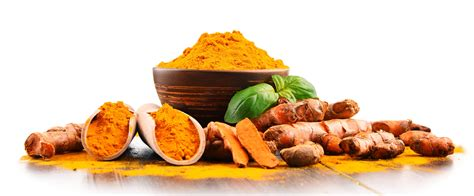
3. Turmeric and other Herbs and Spices have been used medicinally for thousands of years. Curcumin, an extract of turmeric can reverse neurological disorders and regenerate nerve cells. A compound in turmeric may help fight PD. Turmeric also clears fluoride (a neurotoxin implicated in PD and Alzheimer’s) from the brain. Other anti-inflammatory and antioxidant herbs and spices are cilantro / coriander (a powerful heavy metal cleanser), ginger, cayenne pepper, garlic, cloves, rosemary, cinnamon and oregano.


4. Chlorella and Borax not only work to remove toxic heavy metals (mercury, lead, aluminium, fluoride and cadmium), from the brain and nervous system, they also prevent further toxic build-ups. Chlorella is a powerful blue-green algae, which when combined with cilantro can remove fluoride and mercury with no harmful effects. Borax also removes heavy metals from the body and is perfectly safe. Read The Borax Conspiracy.


5. Vitamin D and Vitamin E are strong immune boosters and anti-inflammatories, and they can both help damaged neurons regenerate. Chronically low vitamin D has been linked to the early onset of PD. Higher intake of vitamin E was linked to less severe PD symptoms and another study showed that vitamin E may actually prevent PD from developing. The red palm oil mentioned above is a highly absorbable source of vitamin E.

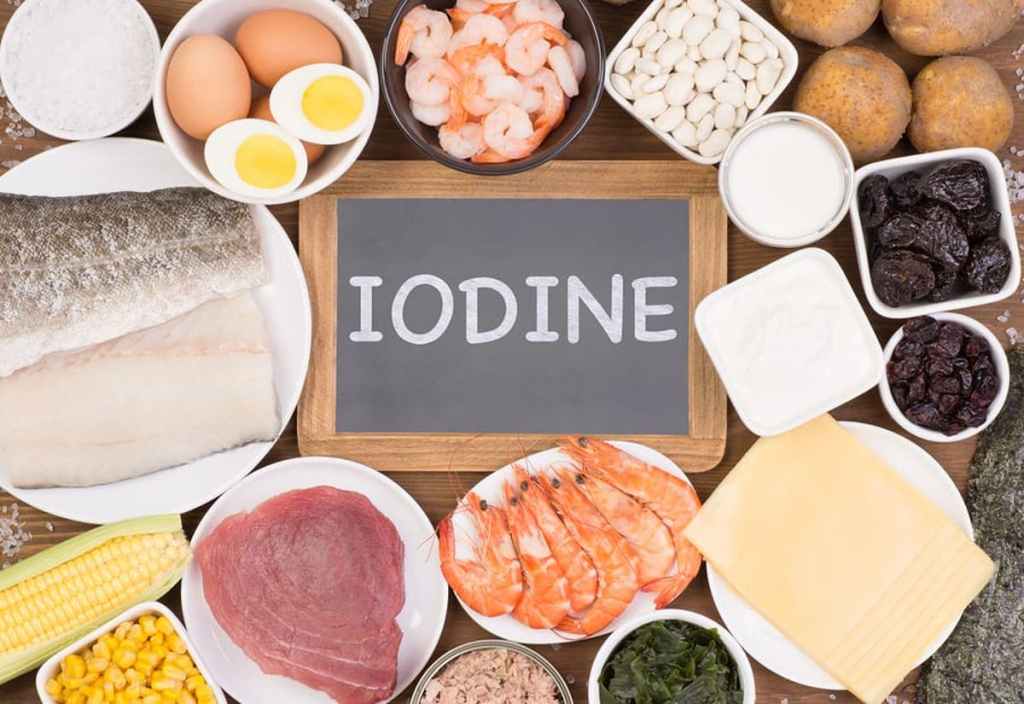
6. Magnesium and Iodine are both crucial for healthy nerves, normal dopamine production and removal of heavy metals from the brain. Low levels of magnesium lead to a build up of toxic heavy metals. Magnesium given to epileptics helped control their seizures. Magnesium prevents and treats both PD and Alzheimer’s. Likewise, iodine is also crucial for healthy nerves, normal dopamine production and heavy metals removal. Iodine must be present in the substantia nigra, and addressing any iodine deficiency provides improvement of PD symptoms.
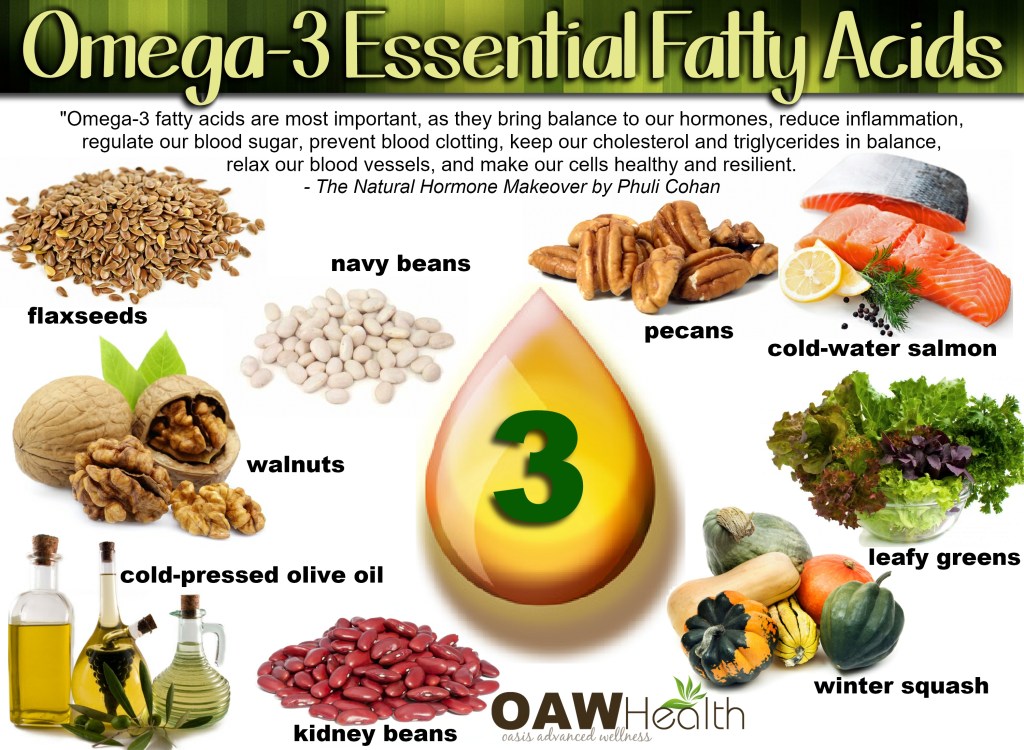
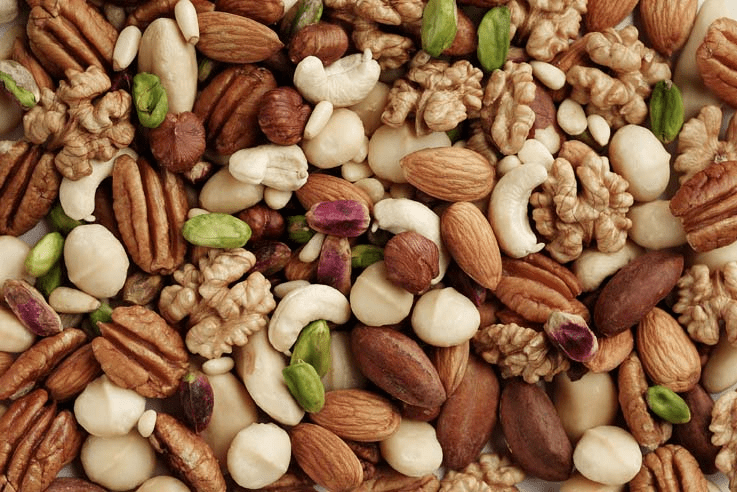
7. Omega-3 Fatty Acids (EPA & DHA) help prevent brain cell damage and support a healthy working nervous system. DHA is an essential building block of the brain. Omega-3 fatty acids can cross the blood-brain barrier, stimulate neuron growth, increase dopamine levels and reduce neuro-inflammation. Good sources of omega-3’s are fish oil, cod liver oil or krill oil, as well as eating oily fish such as sardines, mackerel, herring or salmon 3-4 X a week.

Add nuts, seeds & legumes, especially fava beans which contain levodopa.
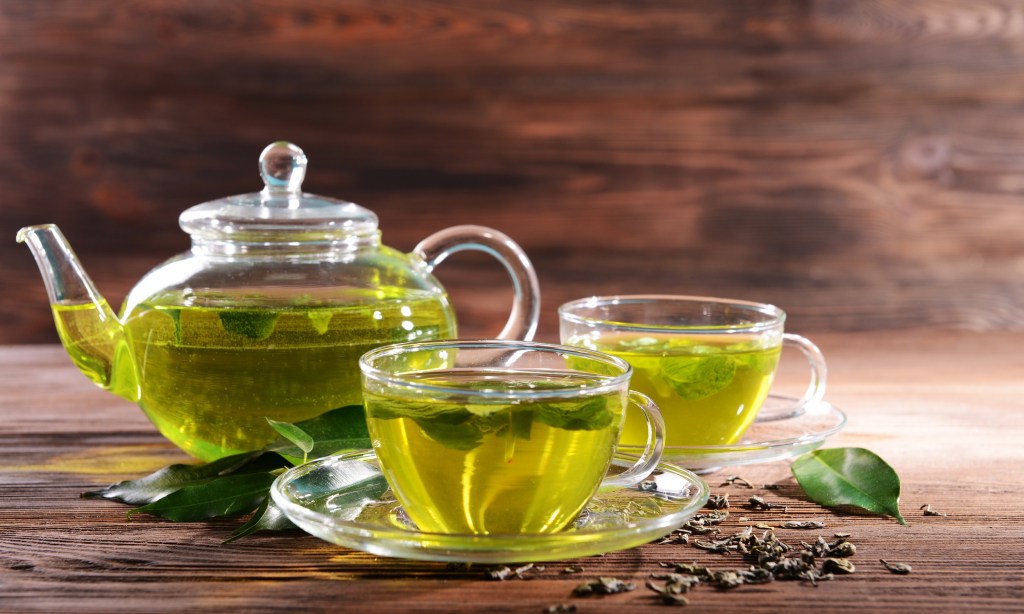
8. Green Tea contains theanine, a nutrient which increases dopamine levels in the brain. Hence, drinking green tea can either delay the onset of motor symptoms or prevent PD from developing. The polyphenols in green tea protect brain cells and dopamine neurons. Drinking 6-9 cups a day has been found to be ideal.
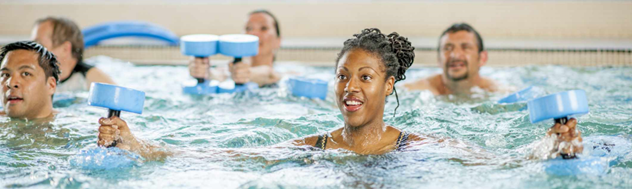
9. Exercise and other Alternative Therapies are beneficial for many reasons. Exercise reduces muscle stiffness, increases mobility, enhances posture and balance, increases oxygen levels and neurotransmitters, and releases endorphins which lift the mood. Because traditional exercise is difficult due to muscle decline, loss of strength, stiffness and loss of balance, water aerobics can be useful by eliminating the risk of falling. Tai Chi and yoga are excellent ways to practice strength, flexibility, and improve circulation throughout the body. Other types of exercise are dancing, walking, aerobic/jazzercise and stretching. Traditional Irish dance has been shown to be advantageous for people with PD (see more below on Irish step dancing). Acupuncture and massage treatments have also been shown to relieve pain, tremors, tension, stress, and fatigue associated with PD. Acupuncture can help relieve the symptoms of PD by slowing cell death and reducing oxidative stress to dopaminergic neurons.
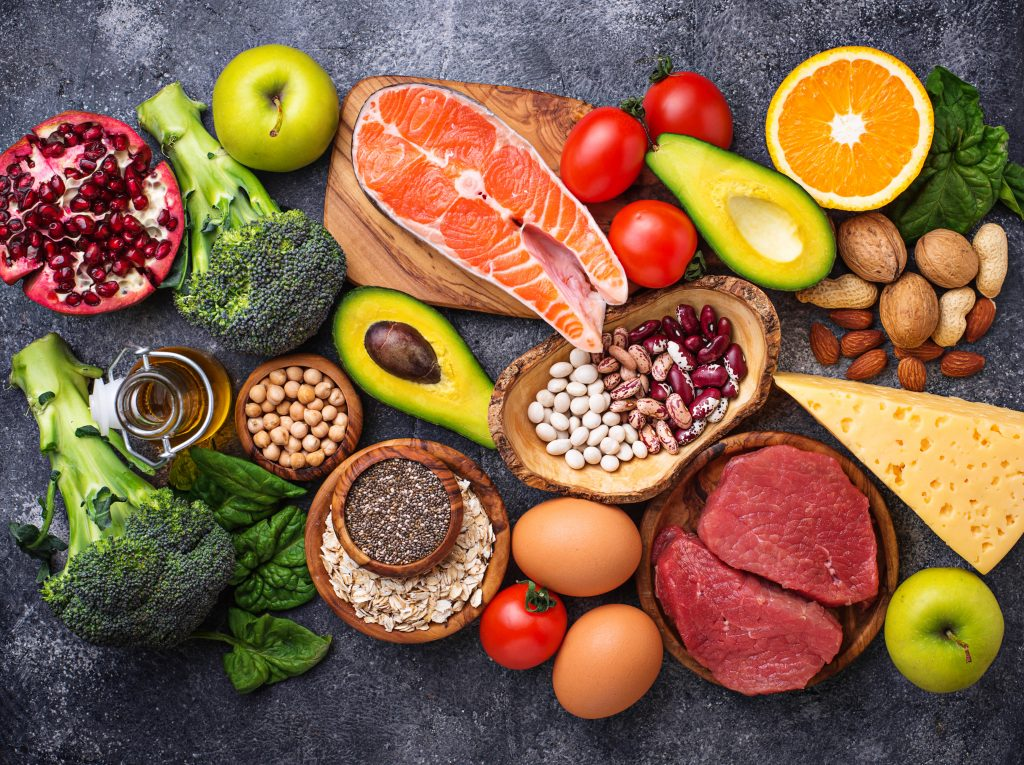
10. Foods to Eat.
Start with water – drink at least 2 litres of clean filtered water daily.
- Consume a nutrient-dense diet – high in healthy fats and lower in carbohydrates to reduce oxidative stress and neuro-inflammation. Eat whole foods and raw foods – berries, green leafy veg, liver, fish, eggs, legumes, nuts & seeds, and herbs & spices. To give the brain all the minerals it needs, use Celtic salt, Himalayan pink salt or rock salt. Eat foods high in L-Tyrosine and B group vitamins like B9 which boost dopamine levels. B vitamin foods include bananas, fish, eggs, chicken, turkey, red beet, kale, apples, strawberries and blueberries, watermelon, cherries, almonds, beans and natural yogurt.
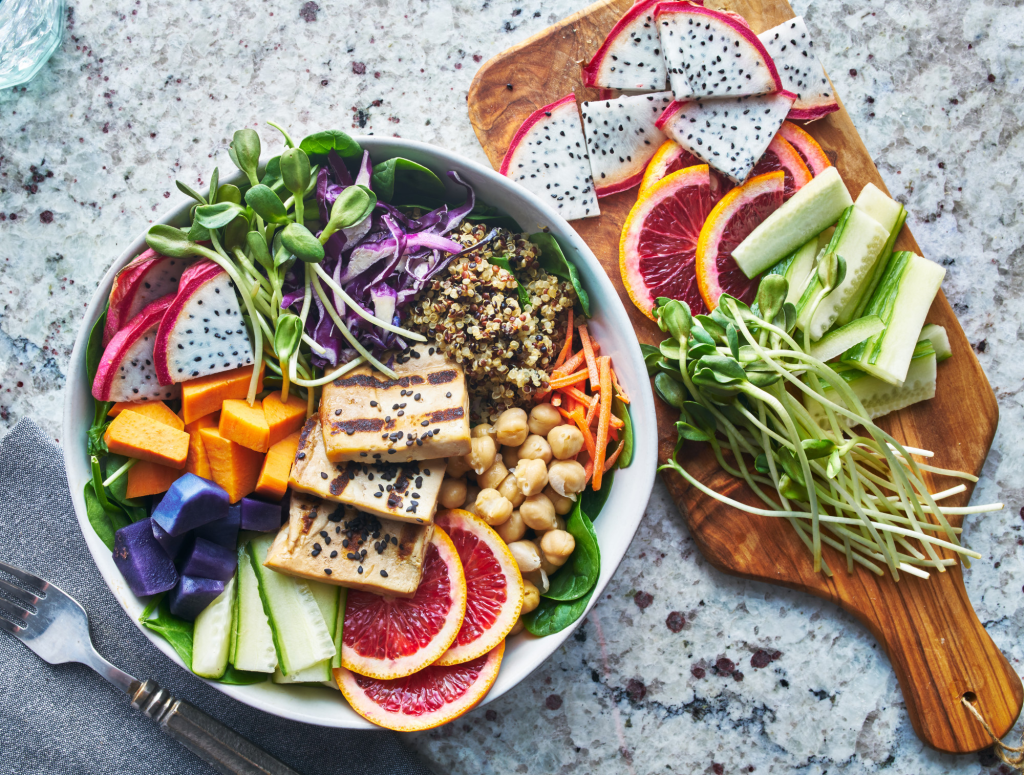
- Prebiotics and probiotics help to reduce gut inflammation and improve the digestive symptoms associated with PD. Consume prebiotic foods such as garlic, onions and Jerusalem artichokes. Consume probiotic foods (fermented foods with live cultures) such as kefir, sauerkraut, kombucha and unprocessed, full-fat ‘Greek’ yogurt. Try Reishi mushrooms for their neuroprotective properties.
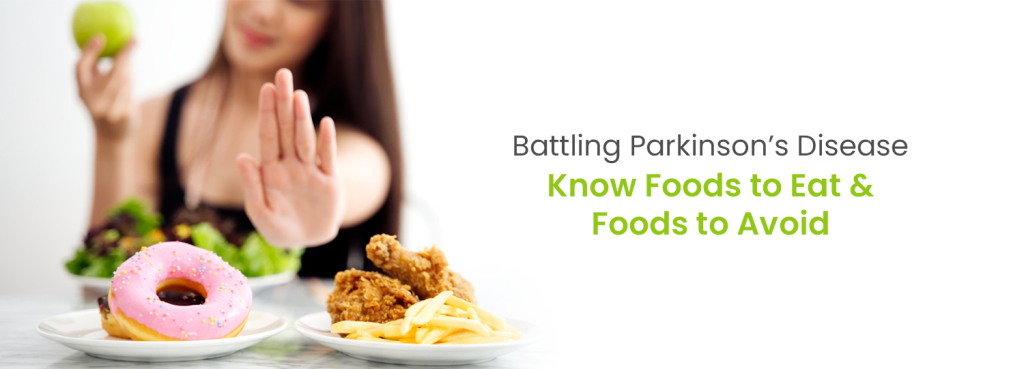
- Foods to Avoid – processed dairy; trans fatty acids (baked goods, margarine, takeaway foods, vegetable oils); all ‘diet’ or ‘low-fat’ products (because they lack good fat and contain added sugar or artificial sweeteners) and processed sugars.
- Gluten intolerance is actually linked to PD. Transglutaminase 6 is an enzyme that has a lot of activity in the brain. And in some patients with Parkinson’s who consume gluten (with an intolerance) also produce antibodies to transglutaminase 6 – their body essentially attacks this transglutaminase 6 enzyme in the brain and can cause neurodegeneration. Gluten, therefore, is best avoided as it can contribute to or exacerbate the disease.
- Leaky gut It has been shown that the intestinal microbiome and gut flora is altered in those with PD. Often there is also an increased intestinal permeability (leaky gut) which is correlated with markers of oxidative stress and inflammation.
- Environmental toxins and pesticides should also be avoided if possible – paint, glue, exhaust, bug spray, household cleaners and weed killers such as Round Up.
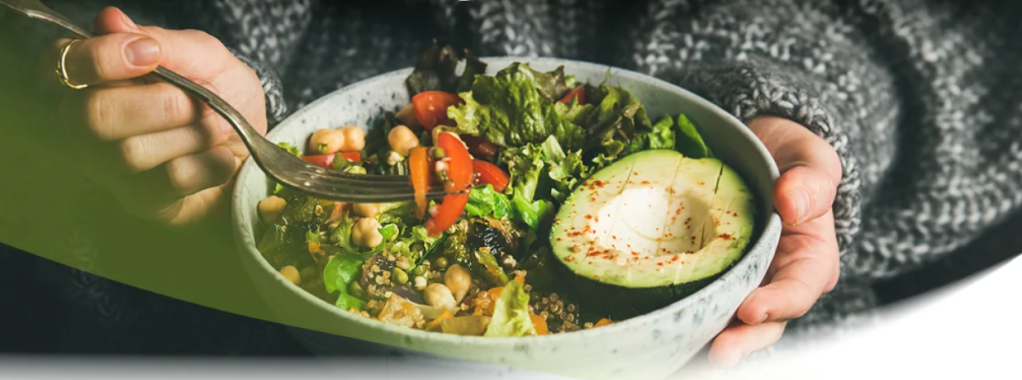
Below is a very good blog from Cytoplan on PD. It covers testing, avoiding common food allergies, Mediterranean and ketogenic diets, correcting sugar metabolism, exercise and physical therapy, emotional support and stress management, medicinals and supplements. https://blog.cytoplan.co.uk/navigating-parkinsons-disease-natural-approach/?dm_i=7H0O,4S5H,KE0S5,J9WS,1

Irish Dancing has been shown to be a particularly helpful exercise for people with PD. Performing an Irish jig can override the neurological impediments that affect the gait. Perhaps it is the frequent transfer of weight from one leg to the other? For many with PD, posterior-anterior advancement of the lower limb during the swing phase of the gait’s cycle is compromised. Yet, the Reel Step enabled a dancer with PD to override the neurological impediments that affect the gait.

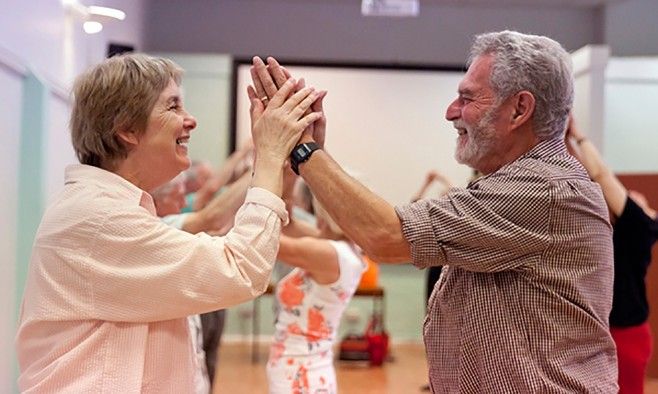
Irish step dance is patterned, but steps are not overly repetitious. The dancer must change direction frequently. Directional change plus the need to maintain reasonably consistent step lengths require the dancer to be in a state of constantly transferring weight from one leg to the other.
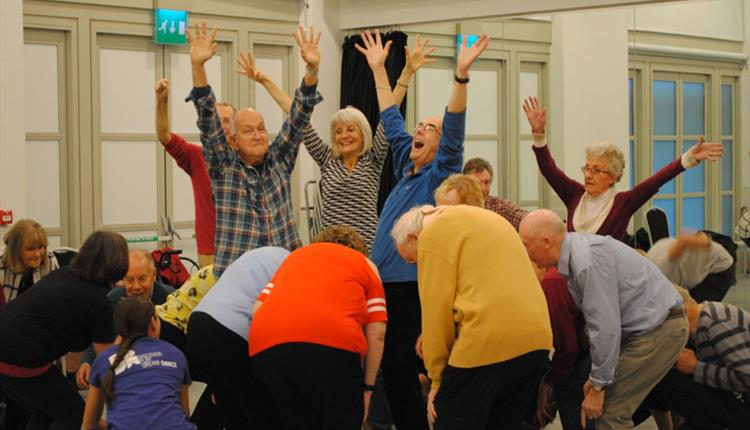
The strong upbeat rhythmic pattern of an Irish reel or jig may provide the brain with periodic acoustic cues that somehow enable the brain to bypass dysfunctions. For people with mild to moderately severe PD, set dancing is feasible and enjoyable and may improve quality of life.
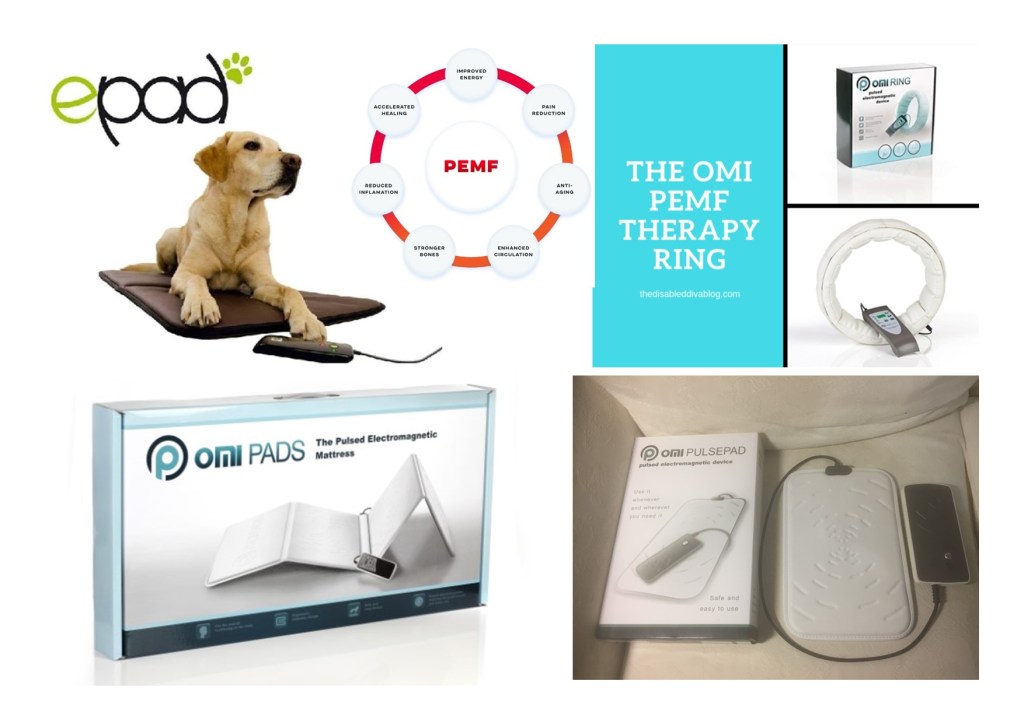
PEMF (pulsed electromagnetic frequency) Therapy Research has shown that PEMF therapy improves PD symptoms including tremors, slowness of movement and difficulty in walking. It is non-invasive, safe and improves PD patients’ quality of life. In a study PEMF therapy was applied to a 49-year-old male patient with Parkinson’s Disease, stage 3. The results showed marked improvement in motor and non-motor symptoms such as mood swings, sleeplessness, pain and sexual and cognitive dysfunctions, suggesting that PEMF therapy should be considered as an effective and underrated therapy. The PEMF devices shown above are for sale on Ebay. I invite you to look at these devices if you think you might want to use this treatment. For blog readers I will offer a reduced price. https://www.ebay.co.uk/itm/386431319176
Summary
PD, like dementia, does not have to be a hopeless diagnosis. Check out the suggestions above which the scientific evidence has shown to be beneficial. Consider diet, exercise, green tea, omega-3’s, magnesium, iodine, vitamins D & E, chlorella, borax, turmeric, herbs & spices, red palm oil, coconut oil and medicinal cannabis. Try some exercises such as swimming, Tai Chi, Yoga or Irish Dancing. Share this blog with family and friends. Wishing you good luck with your health success in 2024!
REFERENCES
College of Naturopathic Medicine - Health Coach Diploma coursework
“Best Natural Remedies & Alternative Treatments for Parkinson’s Disease…” by Troy Sawyer (Certified Holistic Nutritionist, Health & Wellness Coach, Sports Nutritionist) https://www.lifesavinghealth.org/parkinsons-disease-natural-cures-treatments-remedies.html
Cannabis for Parkinson’s Disease
Cannabis Effects on Parkinson’s Symptoms
Dealing with Parkinson’s Disease
PEMF (pulsed electromagnetic frequency)
Progressive Symptom Reduction Strategies for Parkinson’s Disease https://www.outthinkingparkinsons.com/articles/pemf-therapy
Long-term treatment with transcranial pulsed electromagnetic fields improves movement speed and elevates cerebrospinal erythropoietin in Parkinson’s disease. https://www.ncbi.nlm.nih.gov/pmc/articles/PMC8081215/
https://www.pemfadvisor.com/pemf-therapy-and-parkinsons-disease/
Dancing
“Music Therapy and Dance as Gait Rehabilitation in Patients With Parkinson Disease: A Review of Evidence”. Journal of Geriatric Psychiatry and Neurology. 2019 Jan;32(1):49-56. https://pubmed.ncbi.nlm.nih.gov/30558462/
“Italian doctor finds cure for Parkinson’s disease in Irish dancing” https://www.irishcentral.com/news/neurologist-cure-parkinsons-irish-dancing
“An Italian doctor has remarkably discovered that traditional Irish dancing can, in effect, cure Parkinson’s disease.” https://www.irishpost.com/news/doctors-find-cure-parkinsons-disease-irish-dancing-167346
Dancing for Parkinson Disease: A Randomized Trial of Irish Set Dancing Compared With Usual Care. Shanahan, J. et al. Physical Medicine and Rehabilitation. Vol. 98, Issue 9, p 1744-1751, Sept. 2017. 10.1016/j.apmr.2017.02.017
Is Irish set dancing feasible for people with Parkinson’s disease in Ireland? Shanahan J, Morris ME, Bhriain ON, Volpe D, Richardson M, Clifford AM. Complementary Therapies in Clinical Practice. 2015 Feb;21(1):47-51. https://pubmed.ncbi.nlm.nih.gov/25557584/
Do dance style and intervention duration matter in improving balance among people with Parkinson’s disease? A systematic review with meta-analysis. Simpkins C, Yang F. Parkinsonism and Related Disorders. 2023 Jan;106:105231. https://pubmed.ncbi.nlm.nih.gov/36470708/
 Back on track
Leave a comment